
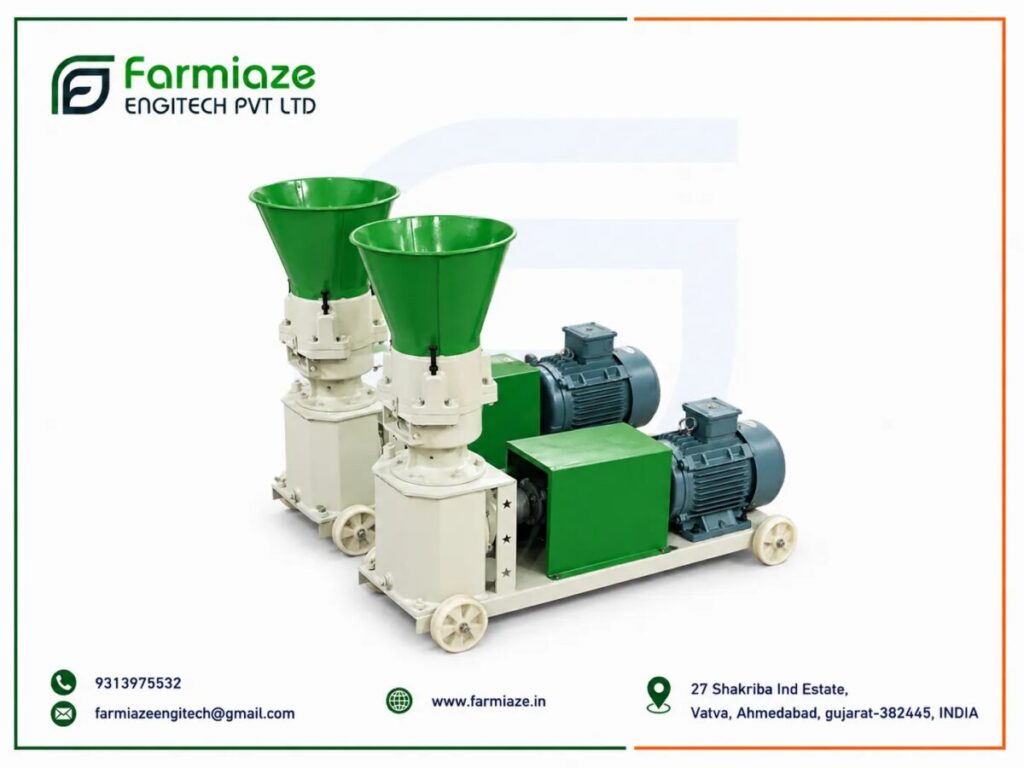
Cattle Feed Pellet Machine in Gujarat
The agricultural landscape of Gujarat is undergoing a significant transformation. As the state continues to be a powerhouse in dairy production, the demand for high-quality, efficient cattle feed has surged. For farmers and entrepreneurs looking to streamline their livestock management, investing in a reliable cattle feed pellet machine is no longer a luxury; it is a necessity. Producing nutritionally balanced pellets on-site allows for better feed conversion ratios, reduced wastage, and improved overall herd health.
However, navigating the market for industrial machinery can be daunting. From understanding the technical requirements of your specific livestock to evaluating different manufacturers, the process requires diligence. This guide aims to help you make an informed decision when selecting your equipment.
Understanding the Role of Pelletization in Dairy Farming
Before diving into purchasing decisions, it is essential to understand why pelletizing feed is a game-changer for Gujarat’s agricultural sector. Traditional feed forms often lead to selective feeding, where cattle consume only the tastiest ingredients while leaving behind essential minerals and fibers. Pelletization ensures that every bite contains a uniform blend of nutrients. Furthermore, the heat generated during the pelleting process helps in gelatinizing starches and eliminating harmful bacteria, leading to a safer, more digestible product for your cattle.
In a region as industrially advanced as Gujarat, infrastructure for sourcing raw materials like maize, groundnut cake, and cotton seed cake is readily available. By owning a pellet machine, you capitalize on these local resources, effectively turning raw agricultural byproducts into premium feed without the high costs associated with commercial transport and markups.
Selecting the Best Machine for Your Operations
When searching for the best machine, the definition of “best” changes based on your individual operational scale. A small dairy farmer has different needs compared to a large-scale commercial feed supplier. To evaluate equipment properly, you must look beyond the initial aesthetics of the machine.
First, consider the machine’s capacity. Does it match your daily production target? A machine that is too small will cause bottlenecks, while one that is oversized will result in unnecessary energy expenditure. Second, look at the construction quality. The die and roller assembly—the heart of the machine—should be made from wear-resistant, high-grade alloy steel. In the humid and varied climates of regions across Gujarat, the durability of these components is vital for long-term output.
Furthermore, evaluating a manufacturer like Farmiaze Engitech Pvt Ltd involves looking at their overall approach to engineering and client support. When you research potential suppliers, assess their transparency regarding design specifications and their willingness to provide detailed operational training. A reputable manufacturer provides comprehensive documentation, helping you understand how to maintain your machine for maximum longevity.
Balancing Cost and Quality: How to Find an Economical Machine
Every buyer wants to find an economical machine, but it is critical to distinguish between “cheap” and “cost-effective.” An economical purchase is one that provides a high return on investment over time. When analyzing the price, do not focus solely on the sticker price of the machinery.
Consider the total cost of ownership. This includes the electrical consumption of the motor, the frequency and cost of replacement parts, and the ease of routine maintenance. A machine that appears cheap initially may end up costing significantly more in the long run due to frequent breakdowns, high energy bills, and the cost of replacing subpar components. Always ask for a breakdown of what the initial quote covers, such as whether it includes motor efficiency ratings or specific die configurations suited to the raw materials you intend to process.
Considering the Lowest Price Machine: The Hidden Risks
It is human nature to look for the lowest price machine. However, in the industrial machinery sector, extreme price gaps are usually red flags. A price that is significantly lower than the industry standard often points to compromises in metal quality, motor safety standards, or lack of essential safety features like overload protection.
When evaluating a quote that seems too good to be true, consider the following checklist to ensure you aren’t sacrificing quality for savings:
- Material Grade: Are the heavy-duty contact parts made of hardened steel or cheaper soft iron that will erode quickly?
- Energy Consumption: Does the machine require excessive power for its output capacity? Higher energy usage can quickly negate any initial savings on the machine’s price.
- Spare Parts Availability: If you buy an obscure, budget machine, where will you source parts in the future? Downtime in your feed production can be disastrous for your livestock feeding schedule.
- Safety Compliance: Does the machine meet standard industrial safety benchmarks?
Logistics and Installation Considerations in Gujarat
When buying industrial equipment in a geographically diverse state like Gujarat, logistics and installation support are paramount. Gujarat offers excellent connectivity via road and rail, which simplifies the transport of machinery. However, you must discuss how the supplier handles transportation. Will the machine be crated properly to prevent damage during transit?
Installation is another critical phase. While many pellet machines are designed for straightforward setup, having guidance—or at least clear, localized operational manuals—is vital. Inquire whether the manufacturer offers remote technical support or if they can provide guidance on commissioning the machine in your specific facility. Being able to rely on a professional team, such as those found at companies like Farmiaze Engitech Pvt Ltd, can make a significant difference in how quickly your feed unit goes from installation to full-scale production.
Maintenance and Long-term Operational Success
Once your machine is installed, its lifespan will depend entirely on your maintenance regimen. Routine checks on the lubrication system, tightening of bolts, and cleaning of the die holes after each session are non-negotiable tasks. Overlooking these simple maintenance steps is the fastest way to reduce the efficiency of your machine.
Most high-quality manufacturers will provide a maintenance schedule. Adhering to this schedule is essential, especially given the dusty environments common in many agricultural settings in Gujarat. Keeping the motor free of dust and debris ensures that the machine runs at optimal temperature, preventing unnecessary wear and tear. Furthermore, periodically checking the feed moisture content is vital; using raw materials that are either too dry or too wet can cause excessive strain on the machine, leading to premature failure.
Conclusion
Investing in a cattle feed pellet machine is a strategic move for any dairy enterprise in Gujarat. By focusing on quality over the mere lure of a low price, and by choosing a reliable partner in the industry, you can ensure that your operation runs smoothly and profitably. Whether you are exploring options from Farmiaze Engitech Pvt Ltd or other industry participants, the key remains in your due diligence—evaluating capacity, long-term durability, energy efficiency, and post-purchase support. When you make a decision based on these holistic factors, you set your business up for sustainable growth and long-term success in the cattle feed industry.
Relevant Hashtags
#CattleFeedMachine #GujaratAgriculture #PelletMachine #DairyFarmingGujarat #FarmiazeEngitech #FarmEquipment #AnimalNutrition #FeedProduction #IndustrialMachinery