
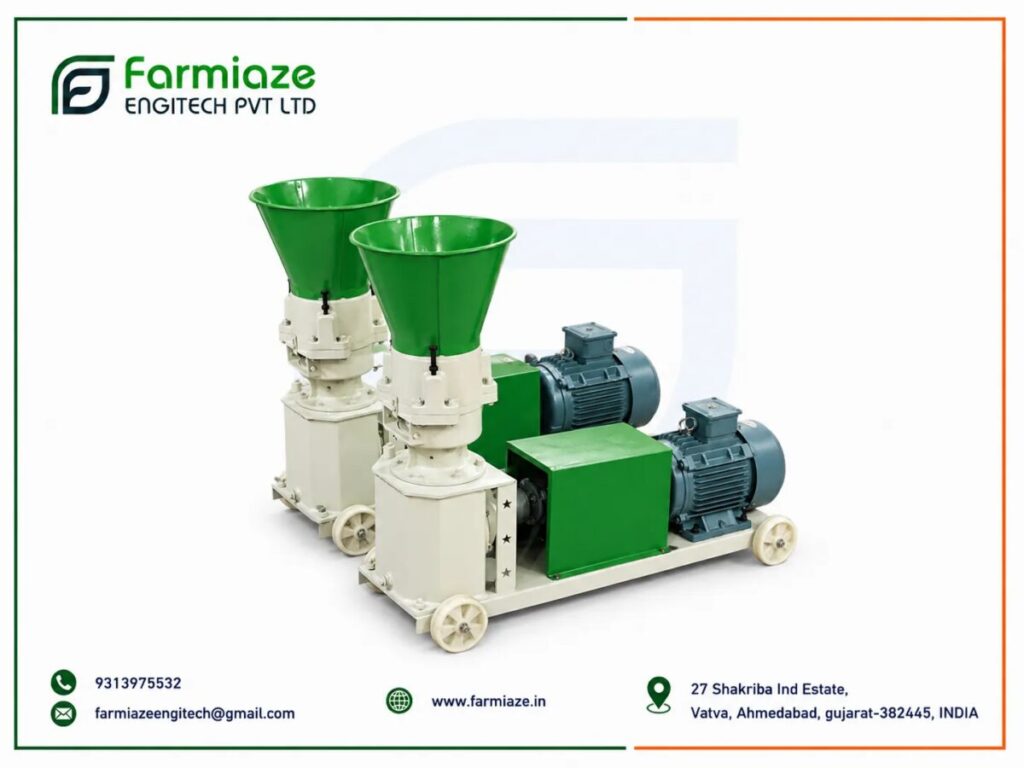
Cattle Feed Pellet Machine in Vadodara
For agricultural entrepreneurs and dairy farmers in the vibrant industrial landscape of Vadodara, optimizing feed efficiency is no longer just an option—it is a competitive necessity. As the demand for high-quality, nutrient-dense cattle feed grows, local businesses are increasingly turning to advanced pelletizing technology. Investing in a professional-grade cattle feed pellet machine is the most effective way to reduce feed wastage, improve animal health, and streamline farm operations. This guide explores the practical aspects of installation, operation, and maintenance, while helping you navigate the market to find equipment that suits your unique business model.
Understanding the Role of Pelletization in Modern Farming
Pelletizing feed is more than just compressing ingredients. By transforming loose, dusty feed into structured pellets, you ensure that cattle receive a balanced ratio of ingredients in every bite. This prevents “selective feeding,” where animals pick out their favorite grains and leave behind essential minerals. In a region like Vadodara, where agriculture and dairy production intersect, having a consistent supply of quality pellets can significantly boost milk yield and livestock growth rates.
Selecting the Right Equipment for Your Needs
When searching for the best machine for your dairy farm or feed manufacturing business, it is easy to get overwhelmed by technical specifications. However, the best machine is defined by its ability to match your specific daily output requirements, the availability of spare parts, and the ease of local integration. Whether you are a small-scale farm owner or looking to start a commercial pellet plant, evaluating the design’s durability and motor efficiency is paramount. Manufacturers like Farmiaze Engitech Pvt Ltd have developed solutions that emphasize reliability, which is critical for continuous industrial or agricultural operations.
Navigating the Price vs. Value Equation
One of the most frequent questions buyers ask concerns the price of the machinery. While it is tempting to focus solely on the initial lowest price machine, experienced operators in Vadodara know that purchase price is only part of the story. A machine that costs significantly less upfront may involve higher electricity consumption, more frequent part failures, or difficulty in sourcing replacements. Instead of chasing the absolute lowest price machine, perform a cost-benefit analysis that includes expected operational lifespan, energy efficiency, and the availability of local technical support. An economical machine is one that provides a high return on investment (ROI) by keeping long-term maintenance costs and downtime to an absolute minimum.
Practical Installation Guidelines in Vadodara
Setting up your cattle feed pellet machine requires careful site preparation. In Vadodara, where logistical access is excellent, ensuring your facility is situated near your raw material supply chain can significantly reduce transportation overheads.
- Foundation: Ensure the installation site has a level, vibration-resistant concrete floor. Proper anchoring is essential to reduce noise and prevent mechanical wear.
- Electrical Setup: Consult with a qualified electrician to ensure your power supply matches the motor specifications. Stable voltage is critical for machine longevity.
- Space Management: Allow for adequate clearance around the machine. This is vital for easy access during routine inspections and major maintenance tasks.
- Raw Material Storage: Keep your grinding and mixing area adjacent to the pelleting station to streamline workflow.
Operational Best Practices
Operating a pellet mill effectively is an acquired skill. Begin by ensuring that your raw material moisture content is optimal—typically between 12% and 15%. If the mixture is too dry, pellets will crumble; if it is too moist, the machine may clog. Always feed the machine at a steady rate to prevent motor strain. Start with small batches to calibrate your settings, and keep a log of performance data to optimize your formula for your specific cattle breeds.
Maintenance: Ensuring Long-Term Durability
Maintenance is the key to extending the life of your equipment. A proactive maintenance schedule prevents expensive repairs and keeps your production running smoothly. Key components to monitor include the die and rollers, which are subject to high friction. Regularly inspect these parts for signs of uneven wear. In Vadodara’s warm climate, dust accumulation can be an issue, so ensure that the motor and electrical panels remain clean and ventilated to prevent overheating.
When dealing with reputable names in the industry, such as Farmiaze Engitech Pvt Ltd, it is often helpful to request a documented maintenance checklist. Following the manufacturer’s suggested intervals for lubrication and part replacement will ensure your pellet mill remains an economical machine throughout its service life.
Evaluating Supplier Support
Purchasing machinery from a distant source can be risky if local support is not available. When evaluating suppliers, inquire about their after-sales support protocols. Do they provide training for your operators? Is there a ready supply of wear-and-tear parts available nearby? A manufacturer that offers comprehensive technical documentation and responsive communication is far more valuable than one that simply sells a product and disappears. In the context of Vadodara, being able to source spare parts quickly can be the difference between a minor service update and weeks of production downtime.
Frequently Asked Questions
How do I know which cattle feed pellet machine size is right for me?
Assess your daily production target in kilograms or tons. A machine that can meet your 8-hour production goal in 4 hours leaves room for future growth and equipment rest, which is generally better than running a smaller unit at 100% capacity continuously.
Is it better to prioritize the lowest price machine to save capital?
Generally, no. The lowest price machine often cuts corners on steel grade, motor quality, or bearing longevity. Always prioritize total cost of ownership (TCO) over the initial invoice price.
What are the primary factors affecting pellet quality?
Quality depends on the raw material composition, the grind size of the ingredients, the moisture content, and the heat generated during the pelleting process. Properly balanced nutrition and correctly set die compression are essential.
How often should I service my machine?
This depends on your daily usage hours. Refer to the manufacturer’s manual provided by the supplier. Typically, daily cleaning and weekly lubrication checks are standard for most heavy-duty units.
Conclusion
Investing in a high-quality cattle feed pellet machine is a strategic move for any dairy farmer or agricultural entrepreneur in Vadodara. By focusing on equipment durability, operational efficiency, and a long-term maintenance strategy, you ensure your business remains sustainable and profitable. While brands like Farmiaze Engitech Pvt Ltd offer robust solutions, the ultimate success of your operation rests on your commitment to proper installation and consistent maintenance. Always evaluate your purchase based on the complete lifecycle of the machine rather than just the initial price tag. By doing so, you secure an asset that grows with your business and contributes to the overall efficiency of your agricultural operations.
Relevant Hashtags
#CattleFeedMachine #PelletMill #VadodaraAgriculture #FarmiazeEngitech #DairyFarmingIndia #FeedManufacturing #EconomicalFarming #AgriTechVadodara