
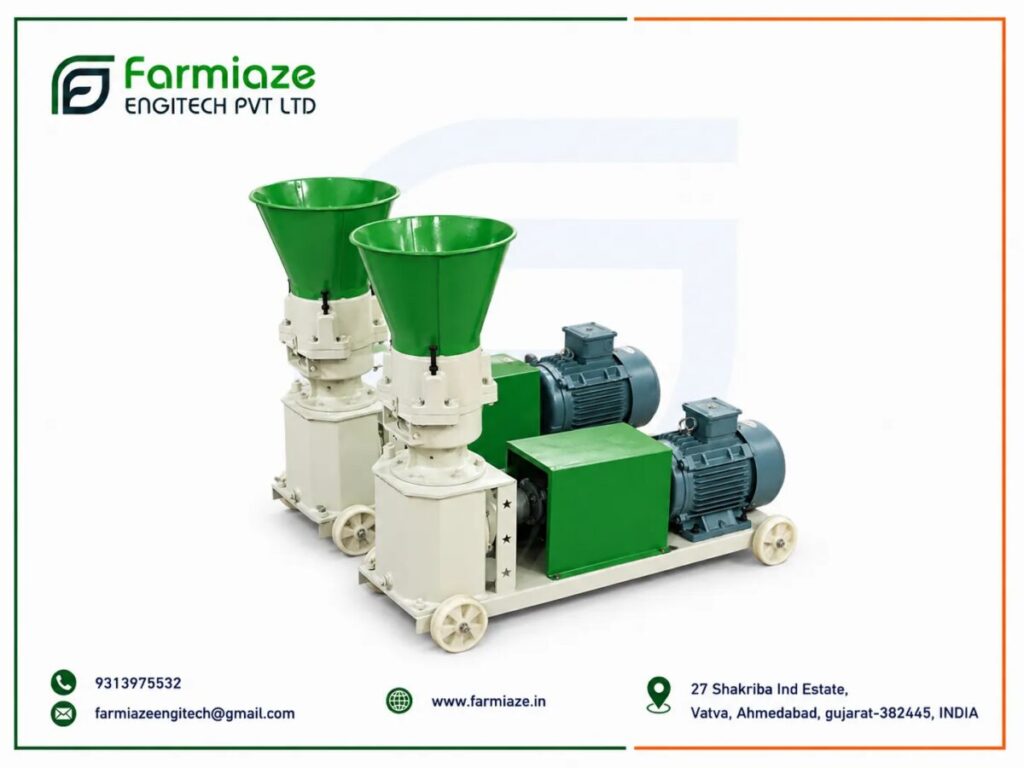
Cattle Feed Pellet Machine in Assam
The agricultural landscape of Assam is undergoing a significant transformation. As farmers and entrepreneurs look to modernize their operations, the demand for high-quality cattle feed has surged. A cattle feed pellet machine has become an essential asset for those aiming to increase milk yield, optimize nutrition, and reduce waste. However, the process of procuring this machinery is fraught with common pitfalls. Many buyers, eager to modernize, often overlook critical factors that define the long-term success of their investment.
Whether you are operating a large-scale dairy unit or a small farm in the rural districts of Assam, choosing the right equipment requires a strategic approach. Avoiding impulsive decisions and understanding the technical and logistical realities of the local market will ensure that your investment leads to sustainable growth rather than unexpected operational burdens.
Common Mistakes When Purchasing Feed Machinery
The most frequent error buyers make is focusing exclusively on the initial acquisition cost. While budget constraints are real, viewing the purchase through the lens of a single price tag often leads to significant hidden costs later on. Many buyers prioritize the lowest price machine without investigating the quality of the components or the availability of technical support.
Another common mistake is neglecting the power and capacity requirements. A machine that is underpowered will struggle to produce the volume needed, leading to overheating and premature failure. Conversely, purchasing a machine that far exceeds your current requirements can be an inefficient use of capital. Finding the balance is key to operational success.
Finally, many buyers in the northeast region fail to account for logistics and installation. Assam’s unique terrain and logistics landscape mean that after-sales support and spare parts availability must be verified *before* the purchase is finalized. If you cannot service your machine locally or source common wear-and-tear parts easily, even the most robust system will eventually become a liability.
Evaluating the Best Machine for Your Needs
Defining the “best machine” is subjective because it depends entirely on your specific farm requirements. To evaluate equipment effectively, look beyond the sales brochure. Start by assessing the materials used in the construction of the pellet mill—specifically the quality of the die and the rollers. These components endure the most stress and will dictate how often you need to perform maintenance.
Efficiency in an agricultural context also means energy consumption. A high-performing machine should produce a consistent pellet density while minimizing the amount of electricity required per kilogram of feed. When consulting with manufacturers like Farmiaze Engitech Pvt Ltd, ask for data regarding the hourly output relative to the motor’s power rating. This helps you understand the operational efficiency of the system.
Additionally, consider the versatility of the machine. Can it handle different types of raw materials commonly found in Assam, such as mustard cake, rice bran, or agricultural residues? The best machines are those that offer a degree of flexibility, allowing you to adapt your feed formula based on seasonal ingredient availability.
The Truth About Economical Machines
What constitutes an economical machine? It is rarely the one with the cheapest price tag. Instead, an economical choice is one that provides the lowest “total cost of ownership.” This includes the purchase price, energy bills, maintenance costs, and the lifespan of the machine.
When you encounter a machine marketed as “economical,” analyze it through these criteria:
- Durability: Is the chassis built to withstand the humidity and varying climate conditions typical of Assam?
- Maintenance Requirements: Are the grease points and moving parts easily accessible for routine checks?
- Component Quality: Does the motor meet standard efficiency ratings?
Investing in a machine that requires fewer repairs and consumes less power will save you significantly more money over three years than a machine that costs 20% less to buy but breaks down every few months. Always weigh the upfront investment against the long-term potential for downtime.
The Risks of Chasing the Lowest Price Machine
It is natural to look for the lowest price machine, especially when starting a new venture. However, in the industrial machinery sector, a drastically lower price is often an indicator of compromised quality. Manufacturers may cut costs by using thinner-gauge steel, lower-grade motors, or omitting essential safety features.
Before settling for a bargain, compare the machine against industry standards. If a quote is significantly lower than competitors, ask yourself where the savings are coming from. Are they using local, non-hardened alloys for the die? Is the motor generic and prone to burnout? When you factor in the cost of shipping to Assam, potential repairs, and the lost production time when a cheap machine inevitably stalls, the “lowest price” option often becomes the most expensive one in the long run.
Logistics and After-Sales Support in Assam
The geography of Assam presents specific challenges for industrial logistics. Transporting heavy machinery to remote areas requires careful planning. As a buyer, you must ensure that the supplier you choose understands the logistics of the northeast region. This includes proper packaging to prevent damage during transit through various terrains.
Furthermore, after-sales support is non-negotiable. While companies like Farmiaze Engitech Pvt Ltd provide professional guidance, you must ensure that you have a plan for maintenance. This might involve keeping a stock of common spare parts like rollers, dies, and belts on-site. When speaking with potential suppliers, ask how they handle technical support. Do they offer remote troubleshooting? Are there manuals provided in clear, understandable language? Understanding these protocols will save you from the frustration of having a machine sit idle due to a minor technical issue.
Strategic Purchasing Tips
To ensure you make a smart investment, follow these steps:
- Define Your Capacity: Don’t guess. Calculate the exact number of cattle you are feeding and the required daily pellet volume.
- Research the Manufacturer: Look for established companies like Farmiaze Engitech Pvt Ltd that provide professional support and documentation.
- Understand the Power Supply: Ensure your farm’s electrical infrastructure can handle the machine’s load. Consider a stabilizer if your local power grid is prone to fluctuations.
- Factor in Installation: If you are not experienced with mechanical installation, discuss professional setup services or clear guidance with the manufacturer.
- Analyze the ROI: Calculate the cost of the machine against the money saved by producing your own feed versus buying expensive commercial pellets.
Frequently Asked Questions
How often does a pellet machine require maintenance?
Routine maintenance should be performed daily (cleaning and lubricating), while more intensive checks of the die and rollers should occur monthly, depending on usage intensity. Consistent maintenance is the key to longevity.
Can this machine handle different raw materials?
Yes, most high-quality pellet mills can process a blend of various ingredients. However, the moisture content of the raw material is critical—usually, it should be kept between 12% and 15% for optimal pellet formation.
Is it difficult to install a cattle feed pellet machine?
Installation depends on the scale of the machine. Smaller, portable units are relatively straightforward, while larger, stationary systems require a dedicated concrete foundation and professional electrical wiring. Always consult the technical manual provided by the manufacturer.
How do I know if I am getting a fair price?
Compare quotes from reputable manufacturers based on the capacity, material grade, and motor power. Do not compare the price of a small-capacity machine with that of an industrial-grade unit. Always ensure you are comparing “apples to apples.”
Conclusion
Investing in a cattle feed pellet machine in Assam is a step toward agricultural self-sufficiency. By avoiding the pitfalls of chasing the lowest price and instead focusing on quality, energy efficiency, and reliable support from trusted names like Farmiaze Engitech Pvt Ltd, you position your farm for long-term productivity. Remember that the best machine is the one that minimizes your operational headaches while maximizing the quality of the feed you provide to your livestock. Take your time, conduct thorough research, and view your purchase as a cornerstone of your farm’s future growth.
Contact Farmiaze
Farmiaze Engitech Pvt Ltd
Plot No. 27 Shakriba Ind. Estate,
B/H- Indo-German Tools,
Phase-4, G.I.D.C., Vatva,
Ahmedabad, Gujarat. (India)
☎
Mobile:
8160109358, 9313975532, 9104018962
Contact Farmiaze
Farmiaze Engitech Pvt Ltd
Plot No. 27 Shakriba Ind. Estate,
B/H- Indo-German Tools,
Phase-4, G.I.D.C., Vatva,
Ahmedabad, Gujarat. (India)
☎
Mobile:
8160109358, 9313975532, 9104018962
Relevant Hashtags
#CattleFeedMachine #AssamAgriculture #FarmiazeEngitech #AnimalFeed #DairyFarmingIndia #PelletMachine #FarmEquipment #SustainableFarming