
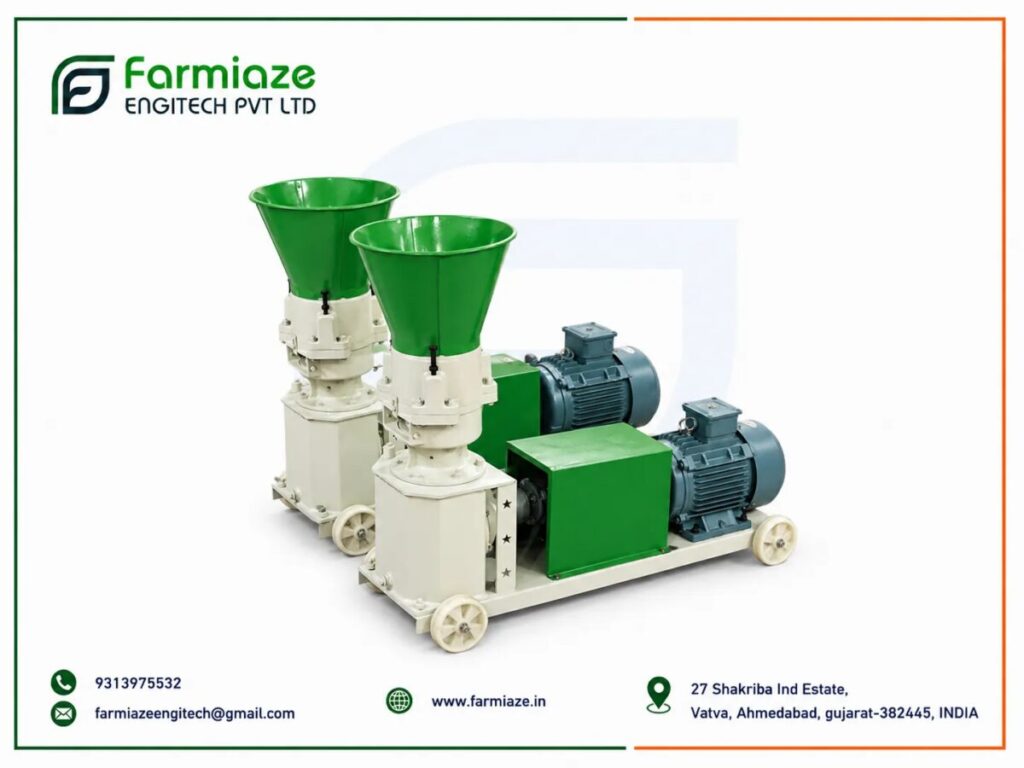
Cattle Feed Pellet Machine Manufacturer in Haryana
The agricultural landscape of Haryana has undergone a significant transformation, with farmers increasingly focusing on scientific livestock management. As the demand for high-quality, nutritionally balanced cattle feed rises, dairy farmers and feed producers are turning to advanced machinery to optimize their operations. Investing in a reliable cattle feed pellet machine is no longer a luxury but a necessity for those looking to improve feed conversion ratios and reduce wastage. This guide explores the practical aspects of selecting, installing, and maintaining these machines within the unique context of Haryana’s agricultural sector.
Understanding the Need for Local Machinery Solutions
Haryana, known as the “land of milk,” places immense pressure on its livestock to deliver optimal productivity. Traditional feed methods, which often involve loose mixing of ingredients, lead to significant nutrient loss and wastage. A pellet machine addresses these issues by compressing ingredients into dense, uniform pellets that cattle find easier to digest. When looking for a machine in this region, buyers must consider the logistics of transportation and the availability of technical support. Since rural connectivity varies, choosing a manufacturer that understands the local ecosystem is crucial.
For many farmers, identifying the best machine involves looking beyond mere capacity. It requires an assessment of build quality, the type of raw materials the machine can handle—such as grain, oilseed cakes, and mineral additives—and the specific power requirements of the local grid in Haryana. A high-quality machine should be designed to handle the diverse feed formulas common in North Indian dairy farms.
Evaluating Factors: price vs. Value
The price of a pellet machine is often the first metric a buyer evaluates, yet it is rarely the most important one. In the context of Haryana’s competitive market, buyers frequently search for an economical machine that balances initial investment with long-term operational costs. It is a common mistake to hunt exclusively for the lowest price machine without considering the Total Cost of Ownership (TCO).
When you evaluate a machine based on price, consider the following:
- Energy Consumption: A machine with a slightly higher upfront cost but better motor efficiency will eventually pay for itself through lower electricity bills, which is a significant factor in industrial operations.
- Maintenance Cycles: Cheap machines often utilize lower-grade metallurgy for their die and rollers, leading to frequent replacements. The best machine is one that features hardened steel components that withstand the abrasive nature of agricultural feed.
- Spare Parts Availability: Ensure that the manufacturer or supplier can provide compatible spare parts easily. If a machine breaks down during peak production season, the cost of downtime often outweighs any initial savings made by choosing a bargain-bin option.
Companies like Farmiaze Engitech Pvt Ltd operate in the machinery space, offering solutions that farmers can evaluate based on their specific production scales. When assessing any manufacturer, it is prudent to look at their technical documentation and the robustness of their machine design before finalizing a purchase.
Installation and Setup Guide
Proper installation is the foundation of a long-lasting feed pelletizing operation. Whether you are installing the machinery in a small shed or a mid-sized facility in districts like Karnal, Hisar, or Rohtak, the following steps are universal:
1. Site Preparation and Power Requirements
Ensure that the floor is leveled and capable of supporting the weight of the machine to minimize vibrations during operation. Consult a local electrical professional in Haryana to verify that your power supply meets the manufacturer’s voltage and phase requirements. Installing a high-quality stabilizer is highly recommended to protect the motor from voltage fluctuations common in rural areas.
2. The Importance of Ventilation
Pelleting generates heat. A well-ventilated space prevents the machine from overheating and ensures that the finished pellets dry effectively after exiting the die. In the humid months of a Haryana monsoon, good airflow is essential to prevent mold growth in stored pellets.
3. Commissioning the Machine
Never run a machine at full capacity on the first day. Start with a “run-in” period. Use a mixture of feed ingredients and a binding agent to condition the die. This process helps polish the holes and ensures smooth pellet extrusion, extending the life of the machine’s critical components.
Routine Maintenance for Peak Performance
To keep your feed operation running smoothly, a strict maintenance schedule is required. Neglect is the primary cause of equipment failure, not the machine’s initial build quality.
Daily Inspections
Check the feed hopper for any foreign objects—metal, stones, or hard plastic—that could damage the rollers. After each shift, clean the die and roller assembly to prevent residual feed from hardening, which can cause blockages during the next startup.
Lubrication Protocols
Friction is the enemy of efficiency. Follow the manufacturer’s guidelines regarding the frequency of greasing the bearings. Using high-temperature, water-resistant grease is essential for the longevity of the roller assembly, which remains under constant pressure and heat.
Monitoring Wear and Tear
The die and the rollers are the heart of your machine. Keep a close watch on the pellet quality. If the pellets become “dusty” or inconsistent in length, it is often a sign that the die holes are wearing out or that the roller gap needs adjustment. Early detection of these signs prevents more expensive repairs down the line.
Operational Considerations for Haryana Farmers
Operating a cattle feed pellet machine in Haryana requires an understanding of raw material moisture content. Feed ingredients like mustard cake or cotton seed meal behave differently depending on the season. During winter, these ingredients may be drier, requiring a slightly different steaming or moisture-addition process compared to the summer months. Successful operators track these variables, adjusting their machine settings to maintain consistent pellet quality throughout the year.
Furthermore, consider the transportation logistics. When you source your machine, discuss how the manufacturer handles delivery to your specific location in Haryana. Ensuring the machine is professionally packed and secured during transport prevents structural damage that can be difficult to fix once the equipment is on-site.
Frequently Asked Questions
What is the most critical factor when comparing the price of machines?
The most critical factor is the durability of the die and roller assembly. While it might be tempting to opt for the lowest price machine, the cost of frequent maintenance and replacement parts will quickly exceed the initial savings. Focus on the total cost of ownership over a three-year period.
How do I know if I have the best machine for my farm?
The best machine is the one that meets your specific daily output requirements without frequent breakdowns. It should feature easy access to internal components for cleaning and be supported by a manufacturer that provides clear maintenance documentation, such as the resources provided by firms like Farmiaze Engitech Pvt Ltd.
How can I make my pelletizing process more economical?
To run an economical machine, focus on optimizing your feed recipe. Using local ingredients sourced in Haryana helps keep raw material costs low, while regular maintenance of your machine ensures that power consumption remains as low as possible. Properly sizing your motor to your actual production capacity also prevents energy waste.
What should I look for in an after-sales service provider?
Look for a manufacturer or supplier that offers clear communication regarding technical troubleshooting and parts supply. Being able to reach a technical support team for advice on adjusting your die rollers or optimizing your feed mix is invaluable for long-term success.
Conclusion
Investing in a cattle feed pellet machine is a strategic move for the modern Haryana farmer. By moving away from price-centric purchasing and focusing on quality, maintenance, and operational efficiency, you can ensure a steady supply of high-grade feed for your livestock. Whether you are consulting with manufacturers like Farmiaze Engitech Pvt Ltd or exploring other market options, prioritize the long-term utility of the equipment. Through proper installation, consistent maintenance, and informed decision-making, your machinery will serve as the backbone of your agricultural business for years to come.
B/H- Indo-German Tools,
Phase-4, G.I.D.C., Vatva,
Ahmedabad, Gujarat. (India)
relevant hashtags
#CattleFeedMachine #FarmiazeEngitech #HaryanaAgriculture #DairyFarmingIndia #FeedPelletMachine #SustainableFarming #AgriculturalMachinery #LivestockManagement #EconomicalFarming #HaryanaDairy